Top 10 Applications of Electrically Conductive Epoxy Adhesives in the Electronics Industry

Top 10 Applications of Electrically Conductive Epoxy Adhesives in the Electronics Industry

Electrically conductive epoxy adhesives are game-changers in modern technology. The electronics industry is growing fast, and these advancements need strong, reliable materials for better performance. Adhesives play a key role here, offering high-performance bonding solutions that also enable electrical conductivity. They not only hold things together but also enable superior performance, protection, and integration of electronic assemblies. 

In this blog, we’ll explore the top uses of electrically conductive adhesives in electronics. We’ll also discuss why conductive glue matters and its benefits. 

A) How Technology is Changing Electronics and Why Conductive Epoxy Matter?

The electronics industry is growing quickly, with amazing new technologies like faster chips, flexible gadgets, and smarter devices. As these electronics get smaller, lighter, and more advanced, they need materials that can keep up. 

Electrically conductive epoxy adhesives do more than just bond parts together. They help conduct electricity, manage heat, and protect delicate components. In some cases, they even replace traditional soldering. They are changing how electronic devices are made, creating devices that are stronger, more efficient, and better suited for modern technology.

B) Benefits of Electrically Conductive Epoxy Adhesives

In advanced electronic systems, the performance and reliability of assemblies depend significantly on the materials that enable both structural integrity and functional efficiency. Electrically conductive epoxy adhesives are pivotal in this regard. Their use enhances the performance, durability, and miniaturization of modern electronic devices. The primary benefits include:

  • Mechanical Strength: Electrically conductive epoxy adhesives not only bond electronic components securely but also provide exceptional mechanical strength, ensuring long-term durability. These adhesives effectively replace soldering in delicate assemblies, preventing stress fractures that can occur with rigid connections. By forming a strong, vibration-resistant bond, they help maintain stable electrical connections, enhancing the overall reliability of electronic devices. 
  • Thermal Endurance: These electronic adhesives play a critical role in heat dissipation by facilitating efficient thermal transfer between components and heat sinks. Their thermal conductivity prevents localized overheating, which is crucial for power electronics, LEDs, and semiconductor packaging. By mitigating thermal stress, they contribute to improved performance, extended component lifespan, and enhanced system reliability. Additionally, epoxies are known to withstand extreme temperatures, thermal shocks and cyclic loads making your electronic devices more reliable under extreme working conditions.
  • EMI and RFI Shielding: Electrically conductive epoxy adhesives serve as an effective EMI shielding solution. They help minimize electromagnetic interference (EMI) and Radio Frequency Interference (RFI) by creating conductive pathways that reduce signal degradation and cross-talk in high-frequency applications.
  • Flexibility: As electronic devices become increasingly compact and flexible, adhesives must accommodate mechanical stress without compromising conductivity. Electrically conductive epoxy adhesives offer excellent flexibility and adaptability, allowing them to be used in flexible circuits, wearable electronics, and medical devices. These epoxy-bonding adhesives play an important role in this.

Upgrade electronics with conductive epoxy tech.

Contact Us Now!

C) 10 Best Uses of Electrically Conductive Epoxy Adhesives in Electronics

Here are the top 10 best uses of electrically conductive epoxy adhesives in electronics that you would be surprised to know. 

1. EMI/RFI Shielding

One of the most interesting ways electrically conductive adhesives are used is to block electromagnetic and radio frequency interference. They act as a protective shield around electronic devices, preventing unwanted signals from affecting their performance. This helps to ensure the devices work efficiently and stay safe from external disruptions.

Also Read: Is there an electrically conductive system that can be spray-coated for superior EMI/RFI Shielding?

2. Semiconductor Assembly

Electrically conductive epoxy adhesives are critical for semiconductor packaging, particularly in die-attach applications. These adhesives ensure high bond strength and stable electrical conductivity between the semiconductor die and the lead frame or substrate, facilitating efficient thermal and electrical transfer. Unlike traditional soldering, conductive epoxy provides a stress-relieving bond, reducing thermal expansion mismatches that can lead to microfractures. Additionally, their resistance to heat, moisture, and mechanical stress enhances the long-term reliability of microchips, processors, and integrated circuits used in advanced computing and communication devices.

3. LED Bonding

One of the most important areas in which epoxy adhesives are used is LED bonding. Conductive adhesives are widely used in LED assembly. They manage heat and ensure smooth electrical flow. This helps LEDs last longer and work better. 

4. Solar Panel Production

Solar panels need secure electrical connections for efficient power transfer. Conductive adhesives are used to join these connections, ensuring the panels can produce and transfer energy effectively, even in extreme weather conditions.

5. Printed Circuit Boards (PCBs)

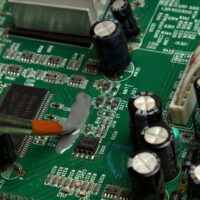
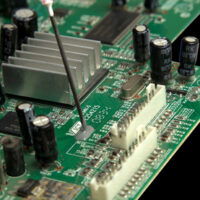
Conductive adhesives are used to connect PCB components like resistors, capacitors, and transistors. In some cases, they are even used as an alternative to solder, offering more precision and reducing the risk of damage during assembly.

6. Flexible and Wearable Electronics

Wearable gadgets like smartwatches and fitness bands need adhesives that can handle constant bending and movement and be electrically conductive. Conductive adhesives keep the circuits secure and ensure smooth electrical flow, even under stress. They resist wear and tear, enhancing durability and performance. This makes these devices more reliable, comfortable, and long-lasting for daily use.

7. Sensors and Actuators

Sensors need strong and stable connections to work properly. They also protect against heat and moisture, so they last longer. This keeps readings accurate and reliable, which is super important in things like cars, medical devices, and smart gadgets.

8. Automobile Electronics

With the increasing complexity of modern vehicles, electrically conductive epoxy adhesives play a vital role in securing and interconnecting critical components such as sensors, LiDAR systems, ECUs, and infotainment modules. These adhesives exhibit excellent resistance to temperature cycling, ensuring stable conductivity and adhesion under extreme thermal fluctuations. They also offer superior resistance to automotive fluids such as oils, fuels, and hydraulic fluids, preventing corrosion-related failures.

9. Medical Devices

From heart monitors to hearing aids, medical devices rely on electrically conductive adhesives for safe and secure connections. Their biocompatibility ensures they do not cause adverse reactions when used in direct or indirect contact with human tissue. Moreover, these adhesives can withstand repeated sterilization processes, including autoclaving, ethylene oxide (EtO) gas, and gamma radiation, without degrading. This ensures the long-term reliability of medical devices that require precise electrical performance for patient safety and diagnostic accuracy.

10. Aerospace, Space, And Defence Electronics

Electrically conductive epoxy adhesives are essential in aerospace, satellite, and defense applications due to their ability to perform reliably under extreme environmental conditions. Their vacuum compatibility and low outgassing properties make them ideal for use in spacecraft, where the release of volatile compounds can interfere with sensitive optical and electronic systems.

D) Conclusion

In today’s fast-paced electronics industry, electrically conductive epoxy adhesives are at the forefront of manufacturing innovations. They ensure reliable connections, improve performance, and protect components. From shielding devices against interference to enabling lighter medical equipment and aerospace systems, epoxy adhesives are used everywhere. They make electronics smarter, stronger, and more efficient. Whether it’s flexible gadgets, solar panels, or car electronics, their role is unmatched. 

If you’re curious about electrically conductive adhesives or need solutions from a trusted adhesive manufacturer in India, get in touch with us today.

Best Electrically Conductive Epoxy Adhesives

KB 1031 AT-S

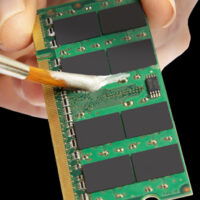
KB 1031 AT-S is a two-component, silver-filled, electrically conductive epoxy system suitable for bonding and sealing. It adheres well to various substrates, including metals, ceramics, most types of plastics, and glass. It also offers chemical resistance to various oils and water, making it ideal for electronics and microwaves. Read More
KB 1031 AT S T

TUF 1820 HTS

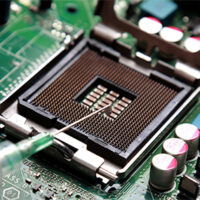
TUF 1820 HTS is a toughened, single-component, silver-conductive epoxy system. Its excellent mechanical strength, conductivity, and dimensional stability make it a popular choice for demanding electronics and optoelectronics. Read More
TUF18

KB 1031 ATFL-N

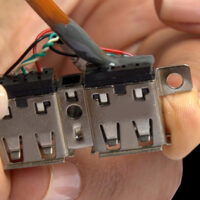
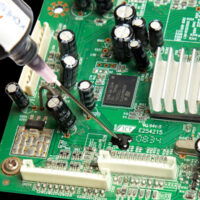
KB 1031 ATFL-N is a two-component, highly flexible, nickel-filled epoxy system suitable for bonding and sealing. It has superior electrical and thermal conductivity and chemical resistance properties. Read More
KB 1031 ATFL N T

KB 1085-1

KB 1085-1 is a two-component, graphite-filled epoxy system suitable for bonding, sealing and coating. It has great electrical conductivity and is widely used in electronics, aerospace, semiconductor, microwave industries. Read More
KB 1085 1 T

KB 1686 M

KB 1686 M is a two-component, nickel-filled epoxy system. Its features like electrical conductivity and dimensional stability make it suitable for electronics, aerospace, electrical, semiconductor, microwave and many OEM applications. It also offers astounding chemical resistance to various cleaning agents, oils and water. Read More
KB 1686 M T

KB 1689

KB 1689 is a two-component, silver-coated-nickel-filled epoxy system suitable for bonding and sealing. It has some outstanding properties like very low volume resistivity, cryogenically serviceability, and room temperature curing. Read More
KB 1689 T

KB-SS-SIL

KB-SS-SIL is a silver filled, sodium silicate based coating system used for electromagnetic interference (EMI) and radio frequency interference (RFI) shielding. KB-SS-SIL is widely used in electronics and aerospace applications owing to its shielding properties. Read More
KB SS SIL T

Upgrade electronics with conductive epoxy tech.

Contact Us Now!

Recent Blogs

How do Adhesives Accelerate the Development of Miniaturised Electronic Devices

How do Adhesives Accelerate the Development of Miniaturised Electronic Devices?

In today's tech-driven landscape, there's a growing demand for smaller, more efficient electronic devices. Miniaturisation…
Read More
Comparing Adhesive Techniques vs. Welding

Comparing Adhesive Techniques vs. Welding

Adhesive bonding and welding are two widely used methods for joining metal substrates. Welding has…
Read More
Why Die Attach Epoxy Adhesives are Key to Advanced Electronic Assembly

Why Die-Attach Epoxy Adhesives are Key to Advanced Electronic Assembly?

As the world advances towards advanced miniature gadgets, ensuring seamless functionality of microelectronic devices and…
Read More
Top 10 Applications of Electrically Conductive Epoxy Adhesives in the Electronics Industry

Top 10 Applications of Electrically Conductive Epoxy Adhesives in the Electronics Industry

Electrically conductive epoxy adhesives are game-changers in modern technology. The electronics industry is growing fast,…
Read More
View All Blogs